
Termites are wood-destroying insects that silently damage structures, furniture, and assets.
Termites pose a significant threat to structures and wooden materials across India. These silent destroyers are notorious for causing extensive damage to buildings, furniture, and wooden infrastructure, leading to significant economic losses.
In India, where traditional construction often incorporates wood, termites find ample opportunities to thrive. They feed on cellulose-based materials, including wood and paper, silently compromising the structural integrity of buildings and furniture. Termite infestations often go unnoticed until visible signs of damage become apparent, making prevention and early detection crucial.
The tropical climate prevalent in many parts of India provides an ideal environment for termites to proliferate. Moisture, warm temperatures, and easily accessible food sources create favorable conditions for their colonies to thrive, posing a persistent threat to both urban and rural areas.
Pest Risk:
The Subterranean termites target the wooden structures to feed The Subterranean termites primarily feed on wood which leads to the destruction of all wooden articles and furniture that costs a lot of money to do replacements or repairs.
Termite attacks are quite surprising and often go undetected for many years. Over time, they can cause serious damage.
Risks Associated With Termites:
- Structural Damage: Weakening of wooden structures, doors, frames
- Financial Loss: Costly repairs and replacements
- Safety Risk: Structural instability in severe infestations
- Hidden Infestation: Difficult to detect until major damage occurs
- Rapid Spread: Colonies grow fast and spread across premises
5 Step Post Construction Anti-Termite Treatment:
1. Inspection & Site Assessment: Detailed inspection to identify termite activity, entry points, and affected areas.
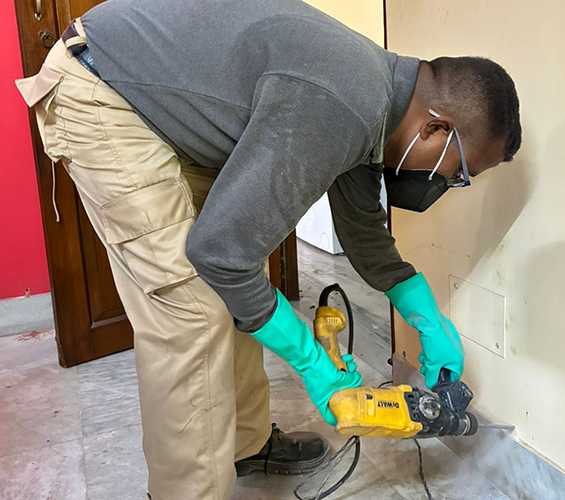
2. Drilling Process: Drilling of holes at regular intervals along walls, joints, and flooring to reach soil level.
3. Chemical Injection: Injection of termiticide solution into drilled holes to create a protective barrier.
4. Sealing of Drill Holes: Proper sealing of drilled holes using cement to restore surface finish.
5. Perimeter Treatment & Monitoring: External treatment around building perimeter and periodic inspection for long-term protection.
How to identify infestation:
Termite infestation can be felt through sightings of discarded wings, mud tubes, hollow wood sound, blisters in wood flooring, damaged wood etc.
Termite Control Measures:
Controlling termite infestations requires a combination of preventive measures and targeted treatments. Strategies involve using termite-resistant materials during construction, applying chemical barriers, employing baiting systems, and regular inspections to detect and address infestations promptly.
Efforts to raise awareness about termite prevention and management among homeowners, builders, and communities are crucial in mitigating the extensive damage caused by these pests. By implementing proactive measures and adopting innovative solutions, India can better safeguard its structures and wooden assets from the pervasive threat posed by termites.
Our Professional Team offers the most advanced and reliable solutions to protect your premises from termites. Depending on the termite infestation, we customize a solution to your business needs and as per your budget.
Professional Inspection, Consultation and recommendations from the Experts
Termite Treatment Approach -
- Drill: - Refers to drilling holes or making trench (as per the requirement)
- Fill: - Refers to application of CIB & RC approved Termiticides in the holes
- Seal: - Refers to sealing of the holes after application of Termiticide
Routine Monitoring
For free inspection and consultation from our Experts please call us